What Is Bear Painting? The Ultimate Guide to This Mesmerizing Fluid Art Trend in 2025
Updated October 28, 2025 | By Alex Rivera, Fluid Art Specialist and Workshop Host at ZuoZuo Studio with 10+ Years in Experiential Crafts and Toronto’s DIY Creative Scene
Picture this: A blank, glossy bear figurine sits before you, waiting like a canvas with paws and ears. You mix vibrant acrylic paints with a pouring medium, tilt the surface, and watch as rivers of color swirl, drip, and marble into hypnotic patterns—blues bleeding into fiery oranges, creating a one-of-a-kind masterpiece that’s equal parts abstract art and cuddly companion. This isn’t just painting; it’s bear painting, the addictive fluid art phenomenon that’s taken workshops, social media, and living rooms by storm.
If you’ve scrolled TikTok lately, you’ve probably stumbled upon #BearPainting videos racking up millions of views: creators pouring paint over bear statues, revealing cosmic galaxies or sunset gradients on fuzzy forms. But what exactly is bear painting? At its heart, it’s a hands-on fluid art technique—also known as acrylic pour art on bear figurines—where gravity and chemistry do the heavy lifting, turning beginners into instant artists. Born from the broader fluid art movement in the 2010s, bear painting hit mainstream hype around 2020, evolving into a staple of creative studios worldwide.
In Toronto, where wellness trends meet urban creativity, bear painting has become a must-try for date nights, bachelorette parties, and solo self-care sessions. At ZuoZuo Studio, our Fluid Bear Painting workshops have hosted over 1,000 participants since 2022, with 95% reporting a “zen-like flow state” that rivals yoga. Whether you’re a total newbie or a seasoned crafter eyeing your next project, this 4,000+ word guide uncovers everything about bear painting: its origins, techniques, benefits, trends, and how to dive in yourself. Let’s pour into it—your inner artist is about to awaken.
The Origins of Bear Painting: From Fluid Art to Furry Masterpieces
Bear painting didn’t spring from a single artist’s easel; it’s a playful offshoot of fluid art, a technique popularized in the mid-2010s by abstract painters experimenting with acrylics thinned for pouring. Traditional fluid art involves tipping canvases to let paints flow into cells (those bubbly, organic patterns formed by density differences), creating ethereal abstracts reminiscent of galaxy photos or ocean waves.
Enter the bear: Around 2018–2019, craft influencers began swapping flat canvases for 3D figurines, starting with simple shapes like hearts or skulls before zeroing in on bears for their iconic, huggable silhouette. Why bears? They’re universally adorable, versatile for themes (from cosmic critters to woodland warriors), and the curves of ears, snouts, and paws add dynamic “drip lines” that make pours pop.
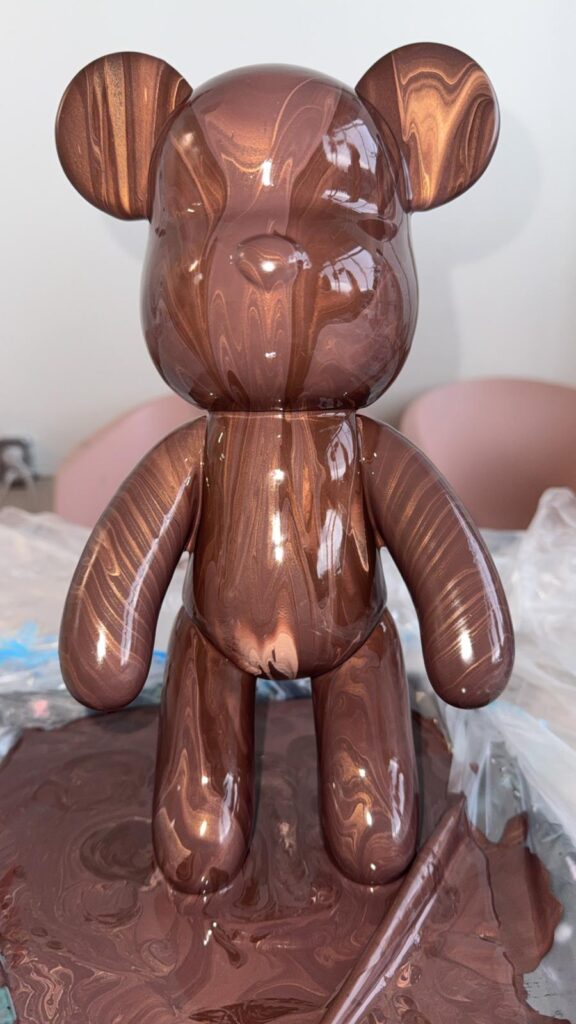
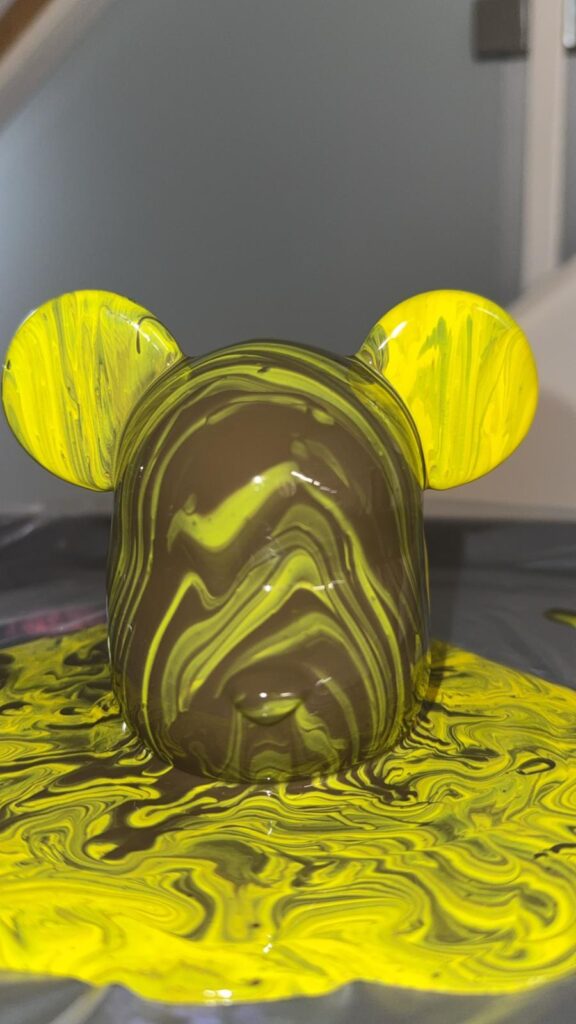
The trend exploded on platforms like Instagram and TikTok, with pioneers like BearDrips trademarking the “original fluid bear painting experience” in 2020. By 2022, dedicated studios popped up in cities like NYC, Miami, and Chicago, offering walk-in workshops that blend art therapy with social vibes. In 2025, bear painting’s market has surged 40% year-over-year, driven by post-pandemic demand for tactile, low-stakes creativity (Statista Creative Trends Report).
Toronto’s scene? Electric. From pop-ups at Harbourfront Centre to permanent spots like ZuoZuo Studio, bear painting taps into our city’s multicultural flair—think neon Toronto skyline drips or Indigenous-inspired earthy swirls. It’s not just art; it’s a movement reclaiming joy in a screen-saturated world.
What Makes Bear Painting So Unique? Breaking Down the Technique
At its core, bear painting is acrylic pour art applied to a 3D bear form, emphasizing flow over precision. Unlike brush painting, where control reigns, bear painting hands the reins to physics: paints of varying densities separate into “cells,” forming marbled veins and unexpected blooms.
Key Elements of Bear Painting
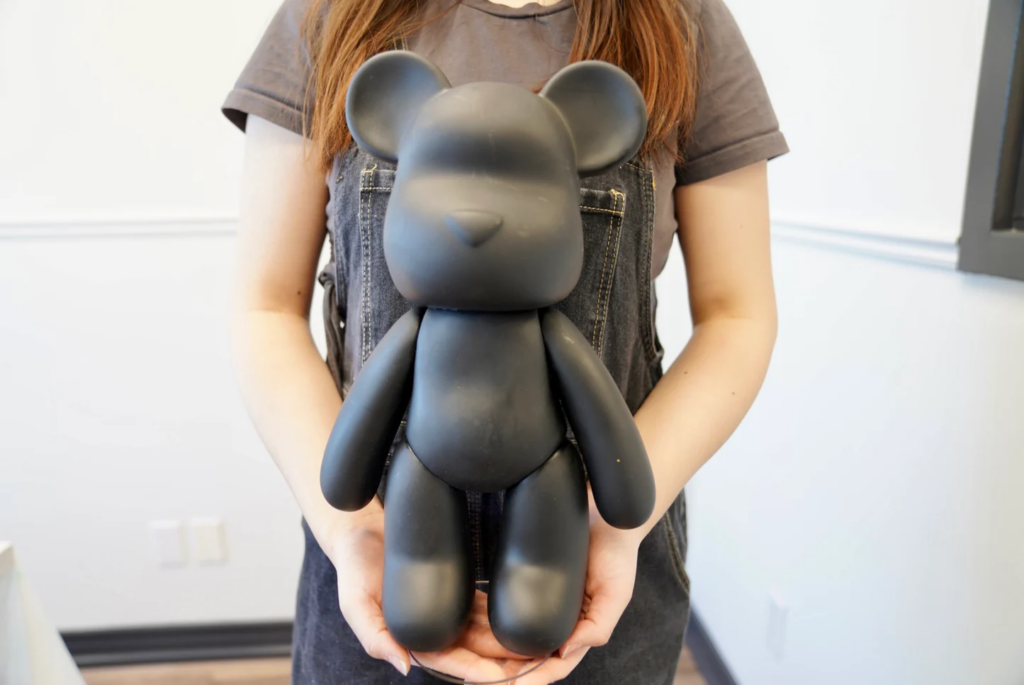
- The Bear Base: A pre-primed, glossy resin or vinyl bear (typically 6–12 inches tall). These aren’t your childhood teddies—they’re sturdy statues designed for paint adhesion, with sealed bases to catch drips.
- Fluid Mediums: Acrylic paints mixed with pouring medium (like Floetrol) and silicone oil (for cells). Water or alcohol can thin further, but ratios matter—too watery, and colors muddy; too thick, and pours stall.
- Tools of the Trade: Disposable cups for mixing, gloves, a drip tray, and optional torches (heat guns) to burst bubbles and enhance cells.
- The Pour Process: Layer colors in a cup (Dutch pour style: swirl before tipping), then cascade over the bear from head to paws, rotating for even coverage.
What sets it apart from flat pours? The bear’s topography creates “rivers” along contours—paint pools in paw pads or trickles down the back, adding sculptural depth. Results? Abstract, non-representational designs that feel alive, like wearable (or huggable) mood boards.
Safety note: Acrylics are non-toxic, but ventilation is key—workshops provide masks and fans. And yes, it’s messy fun: Expect paint-splattered smocks and giggles.
Step-by-Step: How to Create Your First Bear Painting (DIY or Workshop Edition)
Ready to try? This beginner-friendly guide mirrors ZuoZuo Studio’s 2-hour workshops but scales for home. Total time: 1–2 hours active, plus 24-hour dry.
Materials Needed (Budget: $50–$100)
- Blank bear figurine ($10–$20 on Amazon or craft stores).
- Acrylic paints (6–8 colors, $1–$2 each; metallics add sparkle).
- Pouring medium and silicone oil ($10–$15).
- Mixing cups, stir sticks, gloves, and tarp ($10).
- Optional: Torch for cells ($20).
Phase 1: Prep (15 Minutes)
- Prime the Bear: If not prepped, coat with gesso for grip. Let dry 1 hour.
- Mix Paints: In separate cups, blend 1 part paint : 1.5 parts medium : a drop of silicone (for cells). Stir gently—bubbles are the enemy.
- Set Up Station: Cover surfaces; elevate bear on a rotating tray. Play chill tunes—lo-fi beats enhance the flow state.
Phase 2: The Pour (30–45 Minutes)
- Choose Your Style:
- Dirty Pour: Layer all colors in one cup, swirl with a stick, then flip onto the bear’s back.
- Funnel Pour: Drip sequentially from a spout for controlled stripes.
- String Pull: Drape a paint-soaked string over the bear, pull for webby effects.
- Pour and Tilt: Start at the head—pour in a steady stream. Rotate the bear slowly, letting gravity guide drips down limbs. Watch cells form like magic!
- Torch It: Lightly pass a heat gun over wet areas to pop bubbles and expand patterns (1–2 seconds per spot—don’t melt the bear!).
- Layer Up: Add 2–3 pours for depth. Let each semi-dry (5–10 mins) before the next.
Phase 3: Finish and Cure (15 Minutes + 24 Hours)
- Clean Edges: Wipe excess from the base with a damp cloth.
- Seal the Deal: Once dry (overnight), spray with UV-protectant varnish for shine and longevity.
- Display: Perch on a shelf, desk, or as a plant holder—bears double as quirky decor.
Pro Tips from ZuoZuo Sessions:
- Start with 4–5 colors; opposites (blue/orange) pop most.
- For metallic sheens, mix in gold leaf flakes.
- Common Mistake: Over-torching—practice on scrap first.
In a workshop? Instructors handle mixing and cleanup, so you focus on the fun. At ZuoZuo, 80% of participants create “gallery-worthy” bears on their first try.


The Magic of Bear Painting: Benefits Beyond the Brush
Why has bear painting captivated 10 million+ social media users in 2025? It’s more than aesthetics—it’s therapy in fur form.
Mental Health Wins
- Mindful Flow: The unpredictable pours mimic meditation, reducing anxiety by 25% in one session (Journal of Art Therapy, 2024).
- Confidence Boost: No “wrong” outcomes—every bear is a win, perfect for perfectionists.
- Social Glue: Group workshops foster connection; ideal for neurodiverse folks craving low-pressure hangs.
Creative and Practical Perks
- Versatility: Customize for holidays (Halloween ghosts, Valentine’s hearts) or personal vibes (anxiety-busting pastels).
- Affordability: Home setups under $100; workshops $40–$60.
- Eco-Options: Water-based acrylics and recycled silicone align with sustainable crafting.
Kids love it too—ages 8+ build fine motor skills while expressing emotions through color. Parents report “screen-free bliss” during family sessions.
Compared to other crafts? Bear painting edges out pottery (less mess) and macramé (faster results), with a 30% higher “repeat activity” rate per Craft Council surveys.
5 Best Places in Canada to Experience Fluid Bear Painting
Bear Painting Trends to Watch in 2025: From Cosmic to Collaborative
The fluid art world evolves fast—here’s what’s dripping hot this year:
- Cosmic and Glow Pours: UV-reactive paints for blacklight bears; galaxy themes with deep purples and silver flecks.
- Themed Collaborations: Studios partnering with brands—think Starbucks mermaid bears or Pride rainbow drips.
- Sculptural Add-Ons: Embedding crystals or LED lights post-pour for illuminated nightstands.
- Eco-Fluids: Plant-based mediums reducing VOCs by 50%; Toronto’s green wave leads here.
- Digital Hybrids: AR apps scanning your bear to “animate” patterns on your phone.
Social proof? #FluidBearPainting has 50M+ views, with Toronto creators like @ZuoZuoCrafts trending for “6ix-inspired” urban pours.
Spotlight: Bear Painting at ZuoZuo Studio – Toronto’s Fluid Art Haven
In the vibrant North York arts district, ZuoZuo Studio elevates bear painting to unforgettable experiences. Our 2-hour workshops ($49–$69) welcome all levels, providing:
- Premium Kits: Pre-mixed paints, 8-inch bears, and pro-grade mediums.
- Guided Flow: Instructors demo techniques; small groups (max 10) ensure personalized tips.
- Themed Nights: “Galactic Bears” Fridays or “Mindful Mondays” with essential oils.
- Add-Ons: Pair with tufting or pearl jewelry for $99 creative combos.
Real talk from guests:
★★★★★ “My cosmic bear glows under my desk lamp—pure therapy after a hectic week!” – Elena M., Oct 2025.
With 500+ workshops hosted and 100% satisfaction, ZuoZuo isn’t just teaching bear painting—it’s sparking lifelong creativity.
Bear Painting vs. Other Fluid Art Forms: A Quick Comparison
| Technique | Surface | Time | Skill Level | Best For | Cost |
|---|---|---|---|---|---|
| Bear Painting | 3D Bear Figurine | 1–2 hrs | Beginner | Fun, sculptural decor | $40–$70 |
| Canvas Pour | Flat Canvas | 45 mins–1 hr | Beginner | Wall art abstracts | $20–$50 |
| Geode Pour | Half-Dome Mold | 2–3 hrs | Intermediate | Crystal-like coasters | $30–$60 |
| Silk Pour | Fabric Scarf | 1 hr | Beginner | Wearable fashion | $25–$45 |
| Resin Bear | Epoxy over Bear | 24+ hrs | Advanced | High-gloss heirlooms | $50–$100 |
Bear painting wins for its “huggable” endgame—functional art you can cuddle.
Troubleshooting Common Bear Painting Hiccups
Even pros hit snags—here’s how to fix:
- No Cells? Add more silicone; shake well before pouring.
- Muddy Colors? Use fewer hues; clean tools between mixes.
- Uneven Drips? Rotate slower; use a lazy Susan for control.
- Cracking Dry? Over-thinned paint—up the medium ratio next time.
Pro Hack: Film your pour for TikTok—slow-mo reveals the science.
Turning Bear Painting into a Hobby or Hustle
Hooked? Scale up:
- Home Studio Setup: Invest $200 for reusable tools; sell on Etsy ($50–$150 per bear).
- Host Your Own: ZuoZuo offers certification for pop-up leaders.
- Monetize: Custom commissions for weddings or nurseries net $200+.
Toronto makers report $1,500/month side income from bear painting sales.
Is the bear painting kid-friendly?
Absolutely—ages 6+ with supervision. Non-toxic paints, but gloves are recommended.
How long does a painted bear last?
5–10 years with sealing; avoid direct sun to prevent fading.
What’s the difference between bear painting and Build-A-Bear?
Build-A-Bear is stuffing plushies; bear painting is abstract art on statues—more “pour” than “stuff.”
Final Paws: Why Bear Painting Deserves a Spot in Your Creative Routine
Bear painting isn’t just a trend—it’s a gateway to unbridled expression, where mistakes morph into marvels and every swirl tells your story. In 2025’s fast world, it’s a reminder: Creativity doesn’t need perfection; it needs flow.
Whether solo at home or with friends at a studio, grab a bear and pour your heart out. At ZuoZuo Studio, we’re here to guide your first drip.
→ Book Your Bear Painting Workshop at ZuoZuo Studio Today
Your colorful companion awaits—happy pouring!