Somewhere between finishing school and settling into a career, a lot of adults quietly lose the habit of having a hobby. Not because the interest disappeared, but because there was never a clear moment to start one — no class schedule forcing the issue, no obvious first step, and eventually “I used to draw” or “I always wanted to learn pottery” becomes something you say about your past instead of something you do now.
This is a real, practical guide to fixing that — ten creative hobbies worth trying as an adult, what each one actually involves day to day, roughly what it costs to get started, and how to know if it’s the right fit before you commit real time or money to it.


The honest reason most adults don’t have a hobby isn’t lack of interest — it’s that nothing forces the first step the way school activities or childhood interests once did. A hobby that used to be structured into your week (an art class, a sports team, music lessons) disappears the moment nobody’s scheduling it for you, and rebuilding that structure from scratch takes more intention than most weeks have room for.
The case for doing it anyway is straightforward: a real hobby is one of the few parts of adult life that isn’t about performance, productivity, or being evaluated. Work has metrics. Fitness gets tracked. Even rest gets optimized into “self-care” routines with their own implicit standards. A hobby — a genuine one, not a side hustle in disguise — is one of the few remaining activities where getting better is optional and the point is simply doing it.
Before the list, a few honest filters worth applying, since “just try everything” tends to result in trying nothing:
Pick based on what a normal week looks like, not an ideal one. A hobby that requires a dedicated home studio or three hours of uninterrupted time won’t survive contact with a busy week. Something that fits into the time you actually have is more sustainable than something impressive on paper.
Weight instant results if you’re rebuilding the habit of having a hobby at all. If it’s been years since you had one, starting with something that produces a visible result quickly (a finished piece, a completed project) builds the habit faster than something with a long, invisible learning curve.
Don’t rule something out because you “weren’t good at it” as a kid. Most adult hobbies are judged by a completely different standard than a childhood art class ever was — nobody’s grading you, and “good enough to enjoy” is a much lower bar than most adults remember it being.
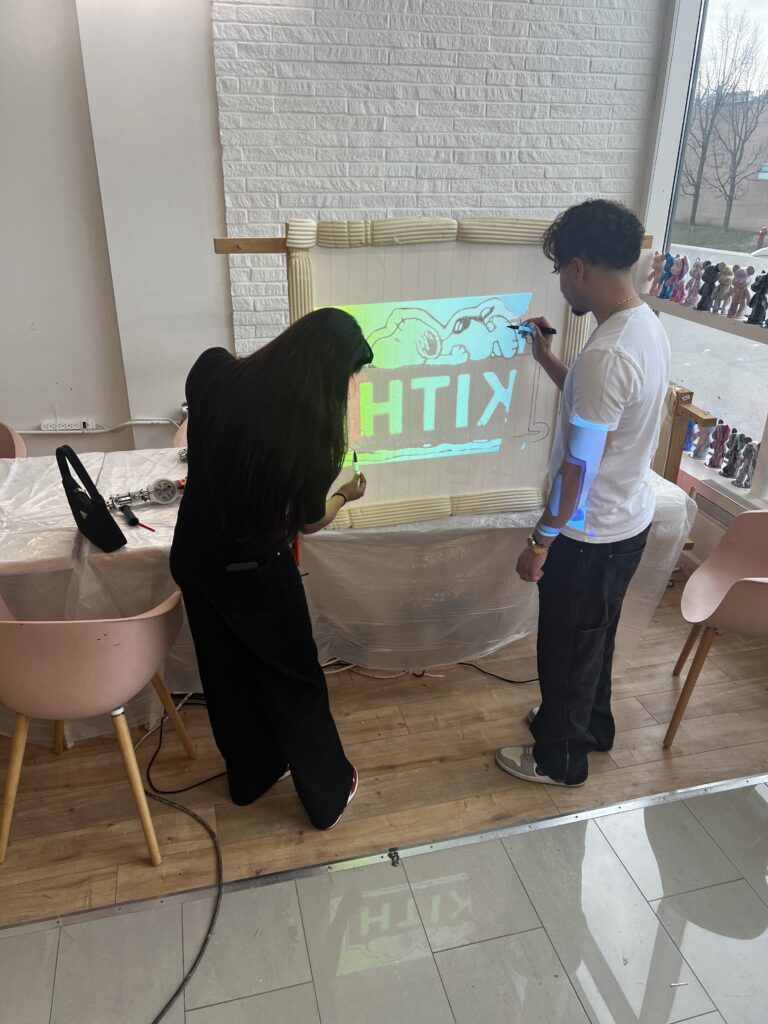
What it is: Using a handheld tufting gun to punch yarn through a stretched fabric backing, building a custom rug or wall hanging from scratch — closer to painting with yarn than traditional weaving.
Why it’s a good adult hobby: The learning curve is short (most people find their rhythm within 20-30 minutes) and the output is immediate and useful — you leave with an actual rug, not a practice piece. It’s also genuinely meditative once you get going, repetitive in a way that occupies your hands without demanding constant mental effort.
Getting started: A guided first session is the easiest entry point, since the tools (tufting gun, frame, monk’s cloth) aren’t things most people already own. A single session — typically $110–$210 depending on size — gives you a real, finished piece and a clear sense of whether it’s worth investing in your own equipment for home use later.
👉 Try rug tufting → https://zuozuostudio.ca/rug-tufting-toronto/
What it is: Pouring or applying fluid acrylic paint onto a surface — a canvas, or in some formats, a sculpted figure — and letting the paint’s natural flow create patterns, rather than controlling every brushstroke by hand.
Why it’s a good adult hobby: It’s one of the most forgiving creative mediums available. There’s genuinely no wrong way to do it — the unpredictability is the appeal, not a flaw to correct. This makes it one of the least intimidating entry points into visual art for someone who’s convinced themselves they “can’t draw.”
Getting started: A guided session applying fluid technique to a bear-shaped figure is a low-commitment way to try the medium (from $30 for a small piece), before deciding whether to invest in canvases and paint for home practice.
👉 Try fluid bear painting → https://zuozuostudio.ca/fluid-bear/
What it is: Shaping clay, either on a wheel or by hand, into bowls, mugs, or sculptural pieces, then glazing and firing the finished work.
Why it’s a good adult hobby: Pottery has a well-earned reputation as genuinely absorbing — the physical resistance of the clay demands enough attention that it’s hard to think about anything else while doing it, which is a big part of why it’s often recommended for stress relief specifically.
Getting started: Most cities have pottery studios offering drop-in wheel-throwing or hand-building classes. Expect a longer learning curve than some other hobbies on this list — the wheel specifically takes real practice — but most studios structure early classes around simpler hand-building projects that produce results faster.
What it is: Opening a live clam to discover the pearl inside, then setting it into a finished piece of jewelry using silver findings and basic jewelry-making tools.
Why it’s a good adult hobby: It’s one of the shortest creative sessions available (under two hours) with one of the highest “wow” moments built in — the genuine, unscripted surprise of not knowing what pearl is inside until you open it. Good for someone who wants a creative activity without a long time commitment.
Getting started: This is almost always done as a guided session rather than a solo hobby, since the clam-opening and setting tools aren’t something people typically keep at home. A single session runs around $75 per person.
👉 Try pearl jewelry making → https://zuozuostudio.ca/product-category/pearl-jewelry/
What it is: Regular, private writing — reflective, creative, or simply a record of the day — with no audience and no format requirement.
Why it’s a good adult hobby: It’s the lowest-barrier hobby on this list by a wide margin. No equipment beyond a notebook, no class or session to book, and no skill threshold to clear before it’s “worth doing.” The value is almost entirely in consistency rather than technique.
Getting started: Pick a format that removes decision fatigue — a simple daily prompt, or just three sentences a day, tends to stick better than an open-ended “write whatever” approach, especially in the first few weeks.
What it is: Picking up a musical instrument as an adult, whether returning to one from childhood or starting from zero.
Why it’s a good adult hobby: Unlike a lot of adult hobbies, this one has a genuinely long runway — there’s essentially no ceiling on how far you can take it, which makes it a strong pick for someone who wants a hobby they can keep growing into for years rather than something that plateaus quickly.
Getting started: The honest truth is the first few months are the hardest part, and progress is slow before it’s rewarding. A few lessons with an actual teacher, even just to establish good habits early, tends to make the difference between sticking with it and giving up in month two.
What it is: Growing plants, flowers, or food, whether in a full backyard garden, a balcony container setup, or a windowsill herb garden.
Why it’s a good adult hobby: It’s one of the few hobbies that rewards patience specifically — the slow, visible progress of something growing is a genuinely different kind of satisfaction than most instant-feedback hobbies offer, and it scales down easily for anyone without outdoor space.
Getting started: Start smaller than feels ambitious — a few pots of herbs or easy annuals teach the basics of watering, light, and timing without the larger investment or disappointment risk of a full garden bed in year one.
What it is: Taking photos with intention — composition, light, subject — rather than just documenting, whether with a dedicated camera or a smartphone used more deliberately.
Why it’s a good adult hobby: The barrier to entry has almost disappeared, since most people already own a genuinely capable camera in their pocket. The actual skill is learning to see — composition, light, timing — which is a real, developable craft independent of equipment.
Getting started: Pick one constraint to practice with for a month — only shooting in natural light, or only taking photos of a specific subject — rather than trying to learn everything about photography at once.
What it is: Creating fabric, garments, or accessories from yarn using needles (knitting) or a hook (crochet).
Why it’s a good adult hobby: It’s genuinely portable — one of the few hobbies you can do while watching TV, commuting (as a passenger), or in a waiting room — and it produces real, usable items rather than purely decorative practice pieces.
Getting started: Crochet generally has a shorter learning curve than knitting for a first project, since it uses a single hook rather than coordinating two needles. A simple scarf or dish cloth is the standard first project for either.
What it is: Building or shaping wood into furniture, small projects, or decorative pieces, ranging from basic hand-tool projects to full power-tool workshops.
Why it’s a good adult hobby: Few hobbies produce results as immediately useful and durable — a woodworking project often ends up as an actual piece of furniture in your home, which gives it a different kind of payoff than a purely decorative craft.
Getting started: Start with hand tools and a small project (a cutting board, a simple shelf) before investing in power tools — many community workshops and maker spaces offer access to shared equipment for beginners who aren’t ready to build a home shop yet.
For hobbies that need real equipment or a dedicated space — pottery, woodworking, instrument lessons — a single guided session or a beginner class is a much lower-risk first step than buying equipment for something you haven’t confirmed you’ll actually stick with. Rug tufting, fluid art painting, and pearl jewelry making all work particularly well this way, since a single session gives you a genuine, complete experience of the hobby with everything included, rather than a shortened demo.
👉 See all workshop options → https://zuozuostudio.ca/rug-tufting-toronto/
What’s the easiest creative hobby to start as an adult with no experience? Fluid art painting has one of the shortest learning curves of any hobby on this list — the technique is inherently forgiving, and there’s no “wrong” result the way there can be with more technical crafts.
What’s a good hobby for stress relief specifically? Pottery and rug tufting are both frequently recommended for stress relief, since both involve repetitive, hands-on work that occupies attention without requiring constant decision-making.
Do I need to be naturally artistic to enjoy a creative hobby? No — most of the hobbies on this list are approachable specifically because they don’t rely on natural drawing or artistic ability. Fluid art, pearl jewelry making, and rug tufting in particular are designed to produce good results regardless of prior skill.
What’s the best hobby to try with a partner or friend? Rug tufting and pearl jewelry making both work particularly well as a shared activity, since you’re each working on your own piece side by side rather than one person leading and the other following.
How much should I expect to spend trying a new hobby for the first time? It varies widely — journaling costs nothing beyond a notebook, while a guided first session in something like pottery or rug tufting typically runs $75–$150 depending on the activity and format.
👉 Try Rug Tufting → https://zuozuostudio.ca/rug-tufting-toronto/ 👉 Try Fluid Bear Painting → https://zuozuostudio.ca/fluid-bear/ 👉 Try Pearl Jewelry Making → https://zuozuostudio.ca/product-category/pearl-jewelry/
📍 1315 Lawrence Ave E, Unit 406, North York, ON M3A 3R3 📞 226-348-4177 🕐 Thursday–Sunday, 12pm–8pm