- 226-348-4177
- [email protected]
- 1315 Lawrence Ave E,unit 406, M3A 3R3, North York, Ontario

If you’ve scrolled through Instagram or TikTok lately, you’ve probably seen satisfying videos of people creating colorful, custom rugs using what looks like a power tool. That’s rug tufting—and it’s become one of the hottest DIY trends of 2025.
But what exactly is a tufted rug? How is it different from other rugs? And why is everyone suddenly making their own?
In this complete guide, we’ll break down everything you need to know about tufted rugs, from the basic technique to the different styles, and why this craft has captured the imagination of creators worldwide.
A tufted rug is a textile floor covering made by punching yarn through a fabric backing using a tufting gun or hand tool. The yarn loops or strands are then secured with adhesive backing, creating a dense, plush surface.
Think of it like a reverse embroidery—instead of sewing thread onto the surface, you’re pushing yarn through fabric from behind to create texture on the front.
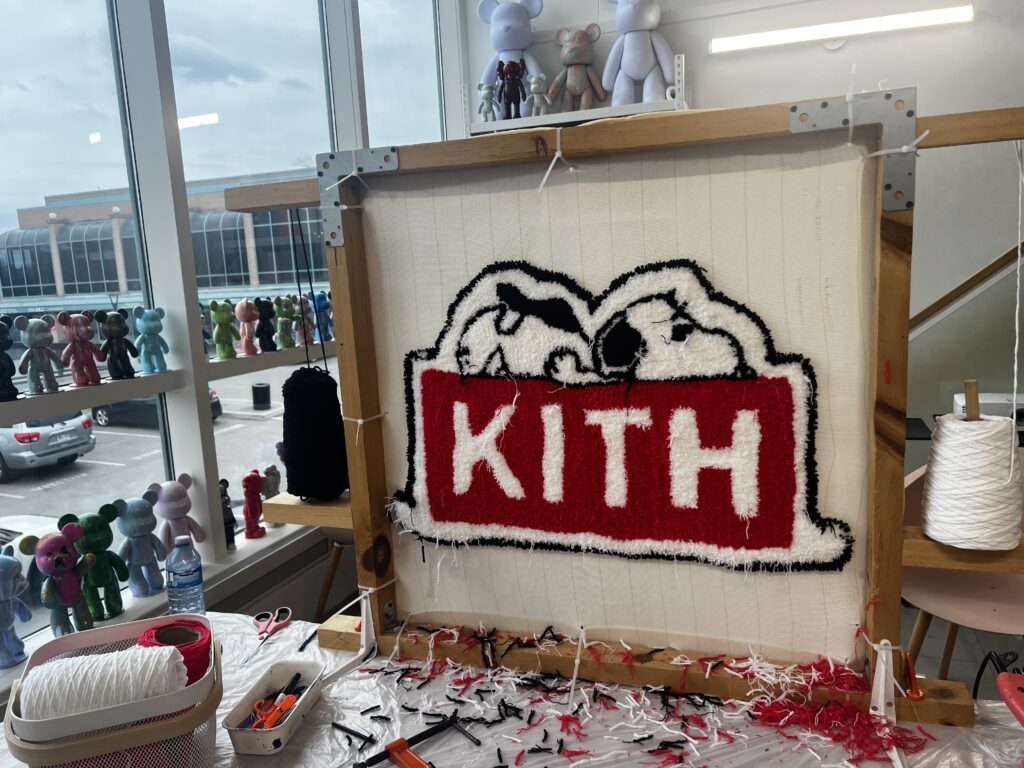
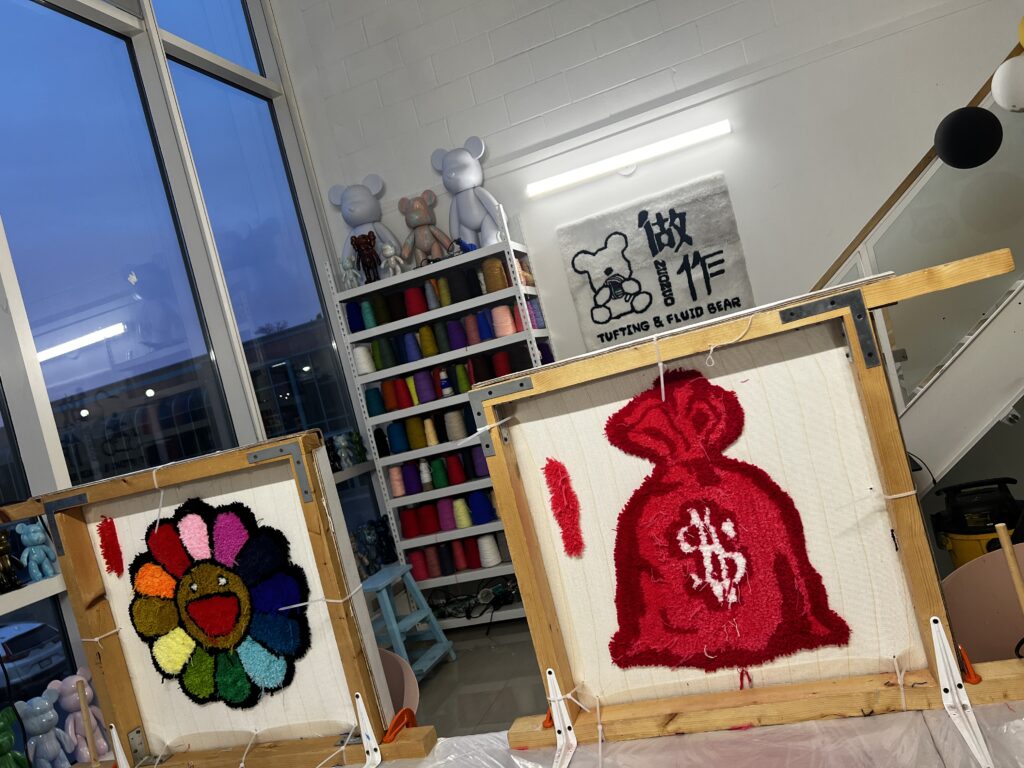
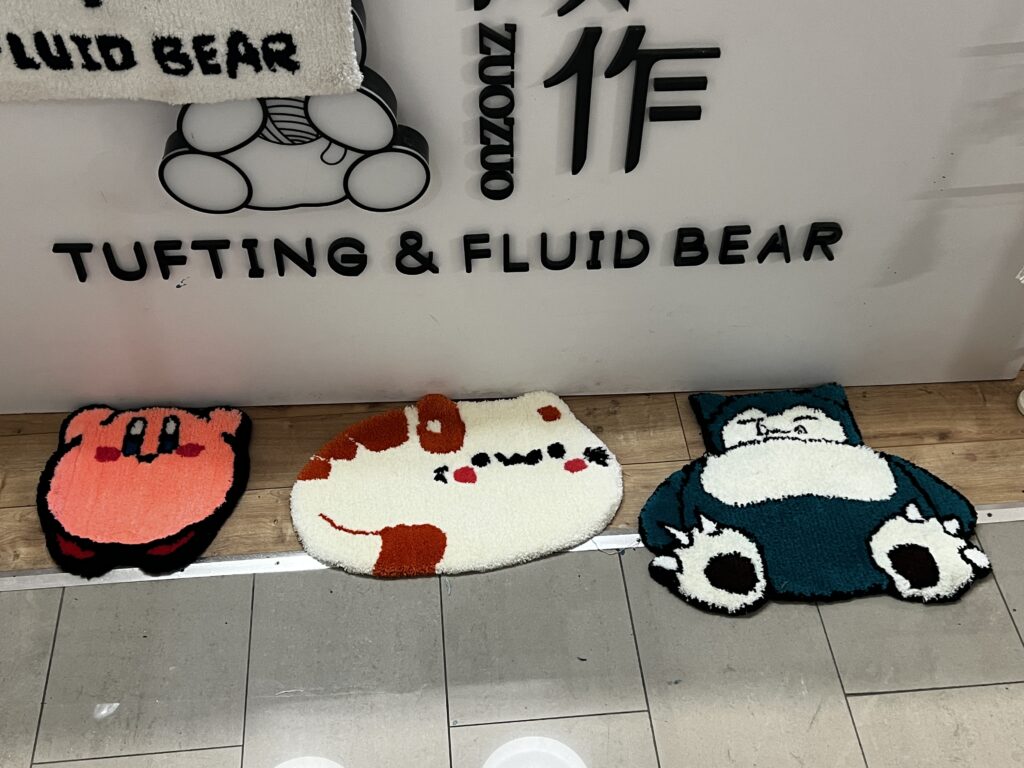
The result? A custom, one-of-a-kind rug that’s functional, beautiful, and deeply personal.
Tufting isn’t new—it’s been around since the 18th century. Originally a hand technique used in Dalton, Georgia (the “Carpet Capital of the World”), tufting became mechanized in the 1950s and revolutionized the carpet industry.
Early 2000s: Artists began using electric tufting guns for textile art
2015-2018: Small creative studios started offering tufting workshops
2020-2021: Pandemic lockdowns sparked interest in hands-on hobbies
2022-Present: Social media virality made tufting a mainstream craft trend
Today, tufting bridges the gap between industrial carpet making and artisanal textile art, accessible to anyone willing to try.
Every tufted rug starts with a concept. You can:
Popular designs include geometric shapes, abstract art, pet portraits, logos, and personalized text.
The fabric backing must be stretched taut on a wooden frame, similar to a giant embroidery hoop. Tension is crucial—loose fabric leads to uneven tufting.
There are two main types of tufting guns:
Cut Pile Gun: Creates a plush, velvet-like texture by cutting yarn as it’s inserted
Loop Pile Gun: Leaves yarn loops intact for a textured, shaggy appearance
You thread your chosen yarn color through the gun, adjusting the pile height (how long the yarn strands are).
This is where the magic happens. Holding the tufting gun perpendicular to the fabric, you punch yarn through in continuous motion, following your design lines. The gun’s needle rapidly pushes yarn through while an internal mechanism keeps it secure.
The feeling: Like using a powerful sewing machine meets a tattoo gun—oddly satisfying and surprisingly physical work.
Once your design is complete, you apply liquid latex or rug adhesive to the back. This locks all the yarn in place and prevents shedding.
After the backing dries:
Total time for a medium-sized rug: 3-6 hours depending on size and complexity.
Understanding the difference between pile types helps you choose the right style for your project.
What it is: Yarn loops are cut at the top, creating individual upright strands
Texture: Soft, plush, velvet-like—similar to shag carpeting
Best for:
Maintenance: Easier to vacuum, less lint trapping
Popular styles: Saxony (formal), Frieze (twisted strands), Textured (varied heights)
What it is: Yarn remains in uncut loops on the surface
Texture: Textured, bumpy, shaggy—like Berber carpeting
Best for:
Maintenance: Requires more careful vacuuming (loops can snag)
Popular styles: Level loop (uniform height), Multi-level loop (varied heights for pattern)
Many contemporary tufted rugs combine both techniques, using cut pile for backgrounds and loop pile for textured accents. This creates dimensional, sculptural effects.
Hand-Knotted:
Tufted:
Bottom line: Hand-knotted rugs are investment pieces; tufted rugs are creative projects.
Woven (Flatweave):
Tufted:
Bottom line: Woven rugs are traditional and flat; tufted rugs are modern and textured.
Machine-Made:
Tufted (Handmade):
Bottom line: Machine rugs are products; handmade tufted rugs are art.
The process is incredibly photogenic. Watching yarn transform into a colorful design in time-lapse is mesmerizing. Hashtags like #rugtufting have billions of views.
Unlike other textile arts that require years of practice (weaving, knitting), tufting can be learned in minutes. Beginners create impressive results on their first try.
Tufting is a full-body workout. The repetitive motion and visible progress provide both physical release and mental relaxation—a form of active meditation.
Modern consumers want personalized items that reflect their identity. Tufting allows complete creative control over colors, patterns, and size.
In an era of fast fashion and disposable goods, creating something with your own hands feels meaningful. Tufted rugs become cherished possessions with stories attached.
Tufting workshops have become popular group activities—date nights, birthday parties, team building events. The shared creative experience strengthens relationships.
While rugs are the most common project, tufting techniques create various items:
Floor Rugs: Entry mats, bedroom rugs, bathroom mats, hallway runners
Wall Art: Tapestries, textile paintings, dimensional wall hangings
Home Decor: Throw pillows, cushion covers, chair pads
Fashion Accessories: Bags, patches, wearable art pieces
Pet Items: Custom pet bed covers, scratching mats
Furniture: Upholstered stools, bench covers, headboards
The technique’s versatility makes it valuable for both functional and decorative applications.
Tufting Gun ($150-$600)
Tufting Frame ($100-$300)
Primary Backing Fabric ($2-$5 per yard)
Yarn ($30-$100+ per rug)
Backing Adhesive ($20-$40)
Finishing Tools:
Total investment for home setup: $500-$1,500
Alternative: Book a workshop at a studio where all materials and tools are provided (much more affordable for first-timers).
Time varies by size, complexity, and experience level:
Small Project (1′ x 2′ coaster or wall art):
Medium Rug (2′ x 3′ bath mat or accent rug):
Large Rug (3′ x 5′ or bigger):
Experience matters: First-timers work slower as they learn technique. With practice, speed increases significantly.
Best value for beginners: Workshop experiences provide expert guidance and immediate results without major equipment investment.
If you’re curious about tufting but not ready to invest in equipment, workshops are the perfect starting point.
Why choose ZuoZuo:
What you’ll create:
Bonus: Combine tufting with fluid bear painting or pearl jewelry making for a full day of creativity.
Book Your Tufting Workshop →
Proper care ensures your handmade rug lasts for years:
Expected lifespan: 5-10+ years with proper care
✅ Enjoy hands-on creative projects
✅ Want unique, personalized home decor
✅ Appreciate seeing tangible progress
✅ Don’t mind physical activity (it’s a workout!)
✅ Love learning new skills
✅ Enjoy sharing experiences with friends
❌ You prefer sedentary hobbies
❌ You have limited upper body mobility
❌ You dislike loud noises (tufting guns are noisy)
❌ You’re impatient with detailed work
❌ You want instant results (takes several hours)
Most importantly: Tufting requires no prior artistic experience. If you can trace a line, you can tuft a rug.
The tufting trend shows no signs of slowing. Here’s where the craft is heading:
Sustainability Focus: More makers choosing organic, recycled, or natural fiber yarns
Technology Integration: Digital design tools and projection systems for complex patterns
Community Growth: Online forums, YouTube tutorials, and maker collectives sharing techniques
Commercial Expansion: More artists selling custom tufted pieces as viable businesses
Educational Programs: Art schools and textile programs adding tufting to curricula
Innovation: New tools, faster techniques, and material experiments
As more people discover the joy of creating with their hands, tufting serves as a perfect gateway to textile arts.
Now that you understand what tufted rugs are and how they’re made, there’s only one thing left to do: try it yourself!
Whether you’re looking for a unique piece of home decor, a meaningful handmade gift, or simply a fun creative experience, tufting offers something special that store-bought rugs can never provide—a story, a memory, and the satisfaction of creating something beautiful with your own hands.
Book a Workshop Today:
What you’ll leave with:
📍 Location: North York, Toronto
Continue Learning:
Follow Us: Instagram: @zuozuostudio
TikTok: @zuozuostudio
#TuftingToronto #RugTufting #ZuoZuoStudio
Ready to punch some yarn? Your tufting adventure awaits at ZuoZuo Studio—where creativity meets craftsmanship in the heart of Toronto.